
How students can get involved in osteopathy research
9 April 2026
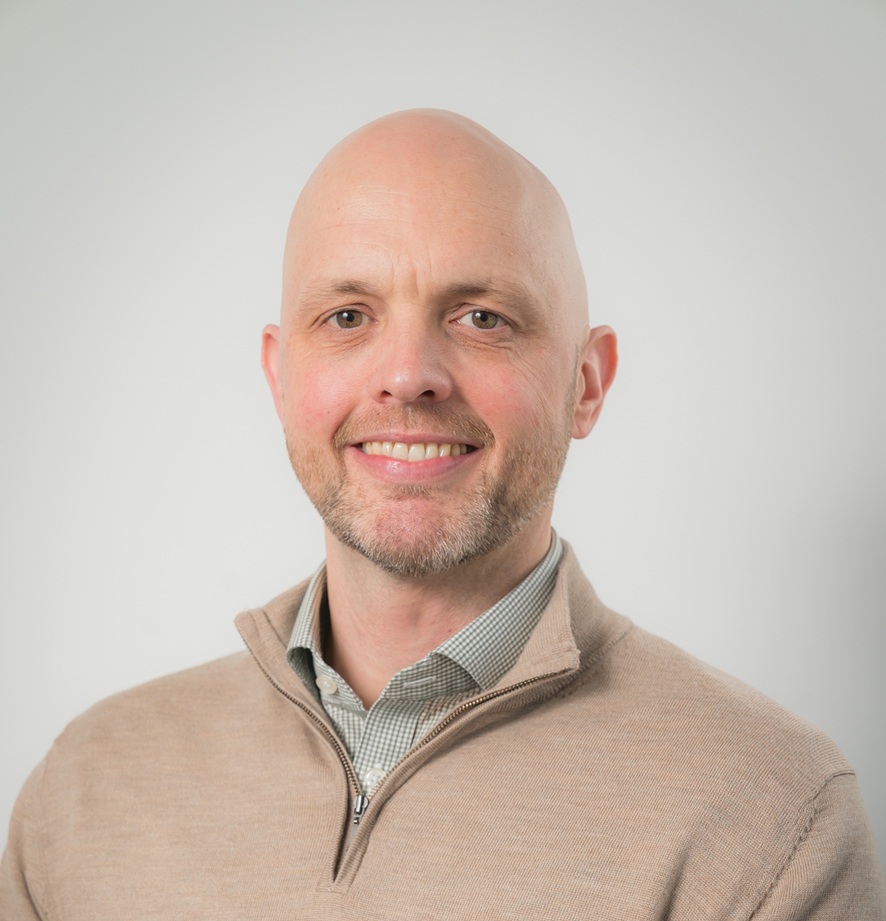
Daniel Bailey, osteopath and research fellow at the National Council for Osteopathic Research (NCOR), explains the opportunities, events and groups available to students who may be interested in learning about, and getting involved in osteopathy research, either before or after they join the Register.
I hope it’s widely known that research about osteopathy can help osteopaths offer better treatment and care to their patients. This is why NCOR exists, and why we encourage students and osteopaths to consider getting involved in research projects that can help evidence why osteopathy is beneficial, and why perhaps more people should consider joining the profession in the future.
If you’re a student, you might already be thinking about what your career in osteopathy could look like, and if you haven’t already considered how research can play a part in that, here are some of the ways you can begin to learn about and get involved in research.
NCOR’s summer student internship
Every year for the past couple of years we’ve offered one student in their penultimate or final year of study, the opportunity to take part in our summer internship programme, working through the preliminary stages of a research project under the guidance of our team. Over the course of one day per week across six weeks, students have the chance to gain invaluable experience in research project design and potentially be listed as an author on any subsequent publications that NCOR continues after the internship period has ended.
In my career, both as an osteopath and research fellow, I have seen first hand just how important skills such as critical thinking, practised during research projects such as this, can support osteopaths to use their professional judgement in clinical roles. It has been wonderful to see the students on our programme begin to enhance their research skills in an area of their choice, and to talk about their experience so positively.
Join the research discussion at sector events
While osteopathy is a small profession, I’m grateful to be able to collaborate with other organisations to host or present about our research at sector events, including the professional membership body the Institute of Osteopathy’s conference and roadshows. Students are welcome to come along to these events, and doing so can be a useful way to understand how research can support the profession.
Last year alongside our presentation, we also invited students to submit academic posters on their own research findings, for example from their final year dissertation. We shared these during the iO Conference to allow students the opportunity to present on their own work, and were delighted to see the positive response from osteopaths and other colleagues across the profession.
We’re considering how we might be able to do something similar this year at our own online conference, which will take place on 16 and 17 of October 2026. We hope students will once again share the research they’ve been doing, partly to show the rest of the profession that students are thinking critically and expansively about the evidence-base for the profession, and also to perhaps encourage students in earlier stages of education who are in attendance to do the same in future years.
Join NCOR’s network as a newly qualified osteopath
For students thinking about how they might get involved in research after graduating and joining the GOsC’s Register, NCOR has several opportunities for osteopaths to not only get involved in research projects, but also to further develop research skills that will also support them in carrying out their mandatory CPD.
Osteopaths can join NCOR’s Research Network which offers both a learning community and a chance to take part in coordinated research with other clinicians, to produce findings that support both osteopaths and patients in practice. Members don’t need to be seeing patients, and will be invited to take part in discussions concerning potential research topics, to carry out research training activities, and participate in research studies.
As a newly qualified osteopath, it’s especially important to start building a professional network as soon as possible, not only because it is required for CPD but also because it can prove useful in a profession that is made up mostly of sole practitioners. Having others to connect with and learn from can boost your confidence in clinic and therefore support you to provide better patient care.
Follow NCOR on social media and join our online learning group
Of course, before you consider any of the steps I’ve mentioned already, one easy thing to do is make sure you are following NCOR on social media, especially on Facebook because you can then choose to join our private Research Learning Skills group. This is a group offering different learning modules, each with a few activities to help you develop your research skills.
For example, one module can support you in reading and understanding research papers, another can support you in auditing patient feedback. These skills will undoubtedly help you with your clinical practice, both as a student and in the future, as an osteopath.
And if you’re interested in finding out more about the projects we have underway at the moment, such as our research into the enablers and barriers for osteopathy students, or the career plans of osteopaths in the UK and what affects their decision to remain within the profession, you can visit our website.
Find NCOR on:
Sut y gall myfyrwyr fod yn rhan o ymchwil i osteopathi
Daniel Bailey, osteopath a chymrawd ymchwil gyda’r NCOR (y Cyngor Cenedlaethol ar gyfer Ymchwil Osteopathig), sy’n esbonio’r cyfleoedd, y digwyddiadau a’r grwpiau sydd ar gael i fyfyrwyr sydd â diddordeb mewn dysgu am ymchwil i osteopathi, neu gyfranogi yn y maes, cyn neu ar ôl iddyn nhw ymuno â’r Gofrestr.
Gobeithio ei bod yn wybodaeth gyffredin fod ymchwil i osteopathi yn gallu helpu osteopathiaid i gynnig gwell triniaeth a gofal i’w cleifion. Dyma pam mae’r NCOR yn bodoli, a pham rydyn ni’n annog myfyrwyr ac osteopathiaid i ystyried bod yn rhan o brosiectau ymchwil sy’n gallu helpu i brofi pam mae osteopathi yn fuddiol, a pham y dylai mwy o bobl ystyried ymuno â’r proffesiwn yn y dyfodol.
Os ydych chi’n fyfyriwr, mae’n bosib eich bod eisoes yn ystyried sut y gallai eich gyrfa mewn osteopathi edrych, ac os nad ydych chi wedi myfyrio ynghylch rôl ymchwil yn hynny, dyma rai o’r ffyrdd y gallwch chi ddechrau dysgu am ymchwil a chyfranogi yn y maes.
Interniaeth haf yr NCOR i fyfyrwyr
Bob blwyddyn dros yr ychydig flynyddoedd diwethaf, rydyn ni wedi cynnig cyfle i un myfyriwr sydd yn ei flwyddyn olaf neu olaf ond un o astudio gymryd rhan yn ein rhaglen interniaeth haf, gan weithio drwy gamau rhagarweiniol prosiect ymchwil o dan arweiniad ein tîm. Dros gyfnod o ddiwrnod yr wythnos dros chwe wythnos, mae myfyrwyr yn cael y cyfle i feithrin profiad amhrisiadwy mewn dylunio prosiectau ymchwil, gyda’r posibilrwydd o gael eu rhestru fel awdur ar unrhyw gyhoeddiadau dilynol sy’n cael eu parhau gan yr NCOR ar ôl i gyfnod yr interniaeth ddod i ben.
Yn ystod fy ngyrfa, fel osteopath ac fel cymrawd ymchwil fel ei gilydd, mae gen i brofiad uniongyrchol o bwysigrwydd sgiliau fel meddwl beirniadol, sy’n cael eu harfer yn ystod prosiectau ymchwil fel hyn, a sut maen nhw’n gallu cefnogi osteopathiaid i ddefnyddio eu barn broffesiynol mewn rolau clinigol. Mae wedi bod yn wych gweld y myfyrwyr ar ein rhaglen yn dechrau mireinio eu sgiliau ymchwil mewn maes o’u dewis, ac i sôn am eu profiadau mewn ffordd mor gadarnhaol.
Ymunwch â’r sgwrs ymchwil mewn digwyddiadau sector
Er bod osteopathi yn broffesiwn bychan, rwy’n ddiolchgar am allu cydweithio â sefydliadau eraill i arwain neu gyflwyno ein hymchwil mewn digwyddiadau sector, gan gynnwys cynhadledd a sioeau teithiol yr iO (y Sefydliad Osteopathi). Mae croeso i fyfyrwyr ddod draw i’r digwyddiadau hyn, ac mae gwneud hynny yn gallu bod yn ffordd fuddiol o ddeall sut y mae ymchwil yn cefnogi’r proffesiwn.
Y llynedd, ynghyd â’n cyflwyniad, gwahoddwyd myfyrwyr i gyflwyno posteri academaidd ar ganfyddiadau eu gwaith ymchwil eu hunain, er enghraifft o’u traethawd hir blwyddyn olaf. Rhannwyd y rhain yn ystod cynhadledd yr iO i roi cyfle i fyfyrwyr gyflwyno eu gwaith eu hunain, ac roedden ni wrth ein bodd o weld yr ymateb cadarnhaol gan osteopathiaid a chydweithwyr eraill ar draws y proffesiwn.
Rydyn ni’n ystyried sut i wneud rhywbeth tebyg eleni yn ein cynhadledd ar-lein, a fydd yn cael ei chynnal ar 16 ac 17 Hydref 2026. Rydyn ni’n gobeithio y bydd myfyrwyr unwaith eto yn rhannu eu gwaith ymchwil, yn rhannol i ddangos i weddill y proffesiwn bod myfyrwyr yn meddwl yn feirniadol ac yn eang am y sylfaen dystiolaeth ar gyfer y proffesiwn, a hefyd i annog myfyrwyr yng nghamau cynharach addysg sy’n dod i’r gynhadledd i wneud yr un peth mewn blynyddoedd i ddod.
Ymunwch â rhwydwaith yr NCOR fel osteopath sydd newydd gymhwyso
O ran y myfyrwyr hynny sy’n ystyried sut i gymryd rhan mewn ymchwil ar ôl graddio ac ymuno â Chofrestr y Cyngor Osteopathig Cyffredinol, mae’r NCOR yn cynnig sawl cyfle i osteopathiaid nid yn unig gymryd rhan mewn prosiectau ymchwil ond hefyd i ddatblygu eu sgiliau ymchwil ymhellach i’w cefnogi i gyflawni eu DPP gorfodol.
Mae modd i osteopathiaid ymuno â Rhwydwaith Ymchwil yr NCOR sy’n cynnig cymuned ddysgu a chyfle i gyfranogi mewn ymchwil gydlynol â chlinigwyr eraill, i gynhyrchu canfyddiadau sy’n cefnogi osteopathiaid a chleifion yn ymarferol. Nid oes angen i aelodau fod yn gweld cleifion, a byddant yn cael eu gwahodd i gyfranogi mewn trafodaethau ynghylch pynciau ymchwil posib, i gynnal gweithgareddau hyfforddi ymchwil a chymryd rhan mewn astudiaethau ymchwil.
Fel osteopath sydd newydd gymhwyso, mae’n arbennig o bwysig dechrau meithrin rhwydwaith proffesiynol cyn gynted â phosib, nid yn unig oherwydd ei fod yn ofynnol ar gyfer DPP ond oherwydd y gallai fod yn fuddiol hefyd mewn proffesiwn sy’n cynnwys ymarferwyr unigol yn bennaf. Mae gallu cysylltu a dysgu oddi wrth ymarferwyr eraill yn gallu rhoi hwb i’ch hyder clinigol a thrwy hynny’n eich cefnogi i ddarparu gwell gofal i gleifion.
Dilynwch yr NCOR ar y cyfryngau cymdeithasol ac ymunwch â’n grwp dysgu ar-lein
Wrth gwrs, cyn i chi ystyried unrhyw un o’r camau sydd newydd gael eu crybwyll, un peth hawdd i’w wneud yw sicrhau eich bod chi’n dilyn yr NCOR ar y cyfryngau cymdeithasol, yn enwedig ar Facebook oherwydd bod hynny’n rhoi’r opsiwn i chi ymuno â’n grwp Sgiliau Dysgu Ymchwil preifat. Grwp yw hwn sy’n cynnig gwahanol fodiwlau dysgu, pob un gydag ychydig o weithgareddau i’ch helpu i ddatblygu eich sgiliau ymchwil.
Er enghraifft, mae un modiwl yn gallu eich cefnogi i ddarllen a deall papurau ymchwil, ac un arall yn eich cefnogi i archwilio adborth cleifion. Bydd y sgiliau hyn yn eich helpu gyda’ch ymarfer clinigol fel osteopath, fel myfyriwr ac yn y dyfodol.
Os oes gennych chi ddiddordeb mewn dysgu mwy am y prosiectau sydd ar y gweill ar hyn o bryd, megis ein gwaith ymchwil i’r hyn sy’n hwyluso a llesteirio myfyrwyr osteopathi, neu gynlluniau gyrfa osteopathiaid yn y DU a’r hyn sy’n effeithio ar eu penderfyniad i aros yn y proffesiwn, gallwch ymweld â’n gwefan.
Dewch o hyd i’r NCOR ar:

